Cuba: Eternal Cars, Stunning beaches and recycled food in an all-inclusive hotel
Old cars, crumbling streets - an unforgettable trip to Havana, Cuba
My intro to communism
There was a period in my life when I suddenly became fascinated by history and politics — particularly the ideology of Communism. To me, this was real history, not the Industrial Revolution I had learnt at school.
I wasn’t thinking about starting a revolution, but more of a “what was life actually like under these systems?” way.
So, when the chance came, we booked a trip to Cuba — one of the few remaining Communist states in the world, and a place that felt like it was on the brink of big change.
The colourful buildings of Havana, Cuba
Havana: Welcome to 1955
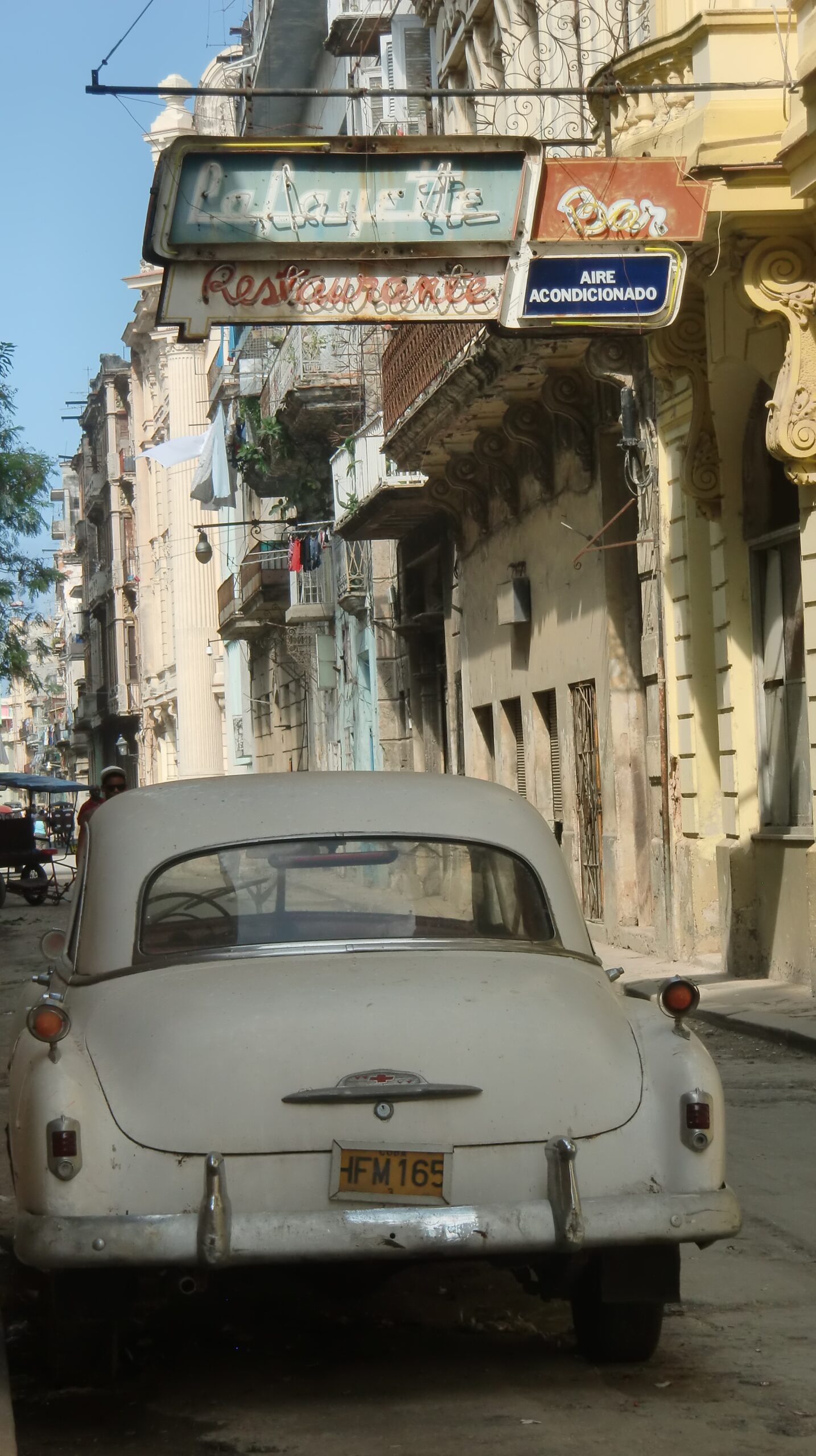
Arriving in Havana felt like stepping onto the set of Back to the Future, with dozens of 1950s Chevrolets held together by hope, duct tape, and whatever spare parts people could find, chugging around the streets, smoke billowing out at every turn.
After the Cuban Missile Crisis in 1962, the US extended its embargo into a full blockade, cutting off the supply of American cars. Cuba simply kept repairing & repainting the ones they already had — for decades. The result is a moving classic car roadshow build on endurance alone.
They’ve become symbols of the country’s resilience — beautiful, battered, and still going.
Havana's back streets, Cuba
Revolution 101 (The Short Version)
Cuba’s 1959 revolution was a guerrilla uprising against an American‑backed regime. Fidel Castro emerged as the leader, supported by his brother Raúl and the now‑iconic Argentine doctor‑turned‑revolutionary, Ernesto “Che” Guevara.
Che later left to support other movements abroad and died in Bolivia in 1967. Today, his face is everywhere — murals, posters, T‑shirts, fridge magnets, cigar boxes. If there’s a surface, Che is probably on it.
And of course, cigars — the country’s other global symbol — are everywhere too.
Our Homestay: A Snapshot of Cuban Life
We stayed in a government‑regulated homestay with an elderly couple and their daughter. Hosts are only allowed to rent out two rooms, and prices are fixed.
They didn’t speak English, but they welcomed us with warm smiles and as they showed us our room, decorated in 1960s chic. The sheets, the furniture, the wardrobe — all relics of a time before mass consumerism.
Classic old cars from the 1950s in Havana, Cuba
Havana: Crumbling Beauty & Constant Rhythm
Havana is a city that feels alive in every sense:
Crumbling colonial buildings line narrow streets
Locals queue for their weekly rations of bread, rice, beans and milk
Jazz, salsa and rumba spill out of tiny bars
The smell of cigars drifts through the air
Bottles of rum fill shop windows
Everyone has a job — all part of the state‑run system
We loved the old colonial hotels with rooftop bars serving perfect Cuba Libres. Most were empty, giving us the best seats in the house to watch the world go by.
Food, however, was… unpredictable.
I once ordered a salad and received a plate of grated cabbage and carrot. No dressing. No garnish. Just… cabbage and carrot.
But then we found Los Nardos, a well‑known restaurant with gothic décor and enormous portions. We somehow skipped the huge queue outside and walked straight in — still not sure how. We left with doggy bags like everyone else, too full to finish.
It all felt slightly extravagant in a city where food is rationed.
Che Guevara - still alive and kicking on every street corner
Santa Maria: The All‑Inclusive That Time Forgot
We took a taxi to the beachside village of Santa Maria, arriving with no accommodation booked and no idea what to expect.
What we found was a ghost town with just one option: a state‑run, all‑inclusive hotel that looked like it had been built in the 1970s and then never updated in any way.
I’d never stayed all‑inclusive before, and this was not the glamorous introduction I’d imagined.
Musty rooms
Crumbling walls
A lobby full of miserable Russian holidaymakers
A buffet where breakfast leftovers were creatively recycled into lunch and dinner
But then we went to the beach – Absolutely stunning — white squeaky sand and turquoise water. We spent most of our time there, because the village itself had nothing else.
Stunning beach at Santa Maria, just outside Havana, Cuba
Back to Havana & A Glimpse of the Future
After a few days, we returned to Havana for one last night before flying home.
The trip gave me a small window into life under a Communist system — enough to see how tough things can be, and how tired some people seemed of the restrictions, at least among the few who felt comfortable speaking openly.
Cuba felt like a country on the edge of change. What direction that change will take is something only time can reveal.
Being just 90 miles from the US, and with political relations shifting at the time, it felt inevitable that Cuba’s future would look very different — perhaps with more outside influence, more tourism, and more global brands arriving on its shores.
If you want to see Cuba before it transforms, go sooner rather than later.
The Cuba Libres went down well from Havana's roof top bars