Kingdom in the Sky After a Bloem Battering
After following England around Europe for several years, the 2010 World Cup in South Africa was to be my first time watching England outside the continent.
Once again, my brother and I somehow ended up with team-specific tickets all the way to the final should England make it.
Unlike the 2006 World Cup in Germany, I didn’t have the luxury of flying back and forth.
Limited to two weeks off work, I had a choice: go out for the group games and miss the final if England made it, or skip the group games and go for the latter stages, potentially missing England altogether if they failed to get out of the group.
I chose the latter option.
The good news was they did escape the group, despite playing utterly dire football. The bad news was they were to face a red‑hot Germany in Round 2.
My brother had been out for the whole tournament already.
He picked me up from Johannesburg airport and drove us four hours to Bloemfontein, where we were staying with our Couchsurfing host, Bridgette.
Bloemfontein: Hospitality and Wildlife in the City
Bridgette and her husband were lovely. Middle‑aged, kind, friendly and genuinely passionate about hosting travellers, they treated us like their own kids and fed us like we hadn’t eaten in days.
They even took us on a city tour.
The highlight was Franklin Reserve and the views from Naval Hill. Bloem, as it’s affectionately known, is the only city in the world that surrounds a nature reserve.
Franklin Reserve sits on Naval Hill, a massive, forested hill slap‑bang in the city centre, home to deer, giraffe, zebra and wildebeest. Not your average city park.
England v Germany: The Lampard Goal That Never Was
The match will forever be remembered for Frank Lampard’s goal that never was. The ball clearly crossed the line, even from our viewpoint at the opposite end of the stadium. The referees said no.
Germany didn’t need to get out of second gear as they annihilated England 4‑1.
So, with England dumped out and me still with two weeks of holiday left, we needed a plan.
Having both travelled around South Africa eight years earlier, we wanted something different.
We found it in the landlocked Kingdom in the Sky: Lesotho.
Lesotho: The Kingdom in the Sky
Just an hour’s drive brought us to the border. We’d given a ride to our Belarusian friend Alex, who had also flown out to follow England.
Alex has travelled the world, and one flick through his passport shows nothing but ink. That caused a problem at the Lesotho border. There wasn’t a spare inch left for an entry stamp.
Rather than get funny about it, the border officials became innovative: they stamped a Post‑it note and stuck it inside his passport. Only in Africa.
Lesotho was awesome.
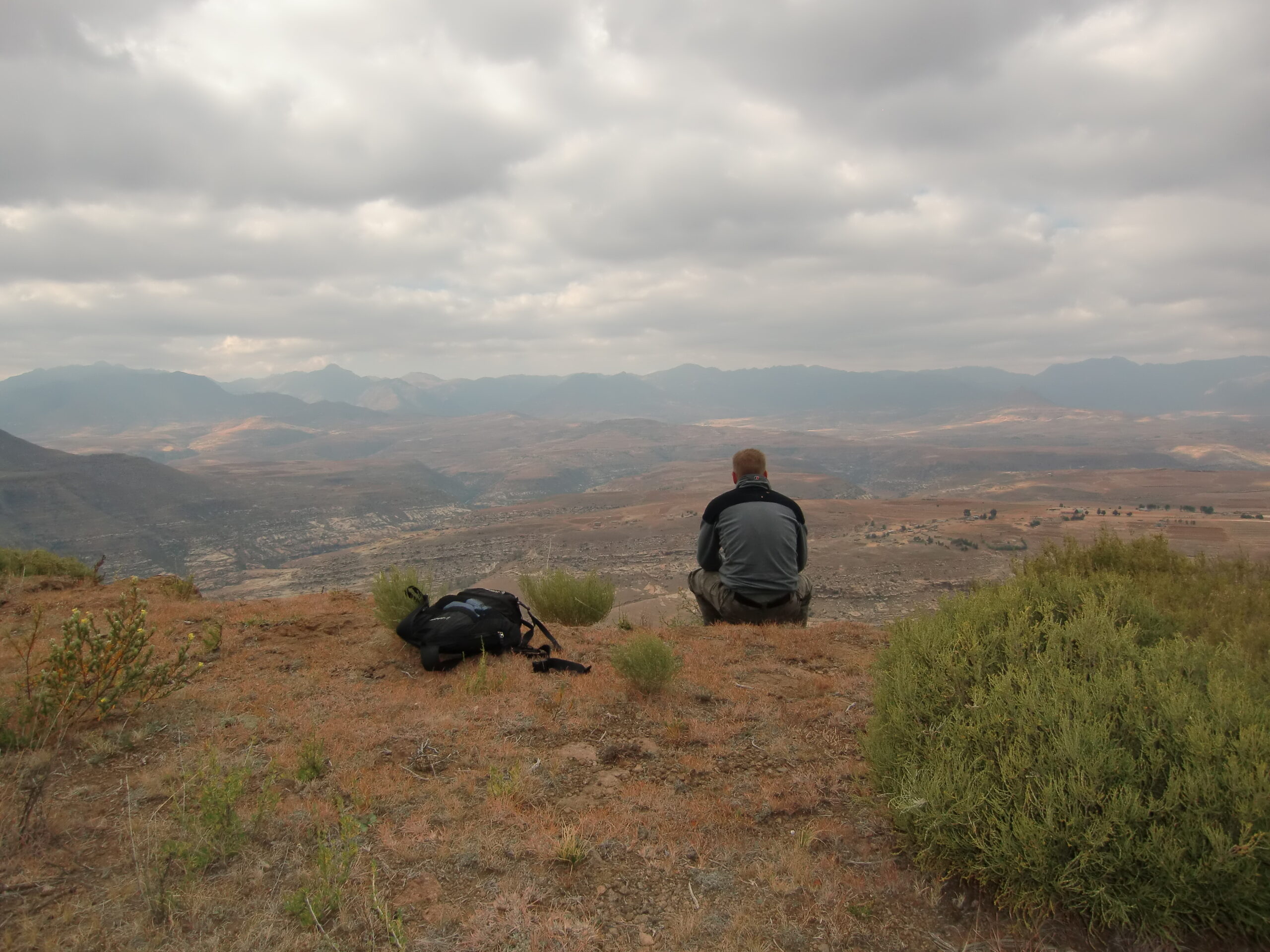
There’s a reason why it’s known as the Kingdom in the Sky: it’s the only country in the world entirely higher than 1,000 metres above sea level.
Surrounded by mountainous scenery, it’s a hiker’s paradise.
We headed to a small village and stayed in an awesome lodge with round thatched huts.
We hired a guide and did a day hike called Gates of Paradise, with 360‑degree views across the lush green country, walking through tiny villages with anorexic cows and donkeys roaming loose.
Driving around was spectacular. Friendly smiles greeted us as we passed through villages with thatched huts and smoke billowing from tin chimneys. Dusty roads stretched for miles over the horizon into rugged mountains.
Back to South Africa: Drakensberg and Soweto
After a few days, we crossed back into South Africa and did more hiking in the dramatic Drakensberg mountains, completely oblivious to the major football tournament happening elsewhere in the country.
Eventually we made it back to Johannesburg and headed into Soweto.
Soweto had a bad press in the 70s and 80s with uprisings against the brutal apartheid regime.
Historically, it was a collection of townships for black miners segregated from whites. Over time the townships sprawled into one, becoming SOuth WEstern TOwnship.
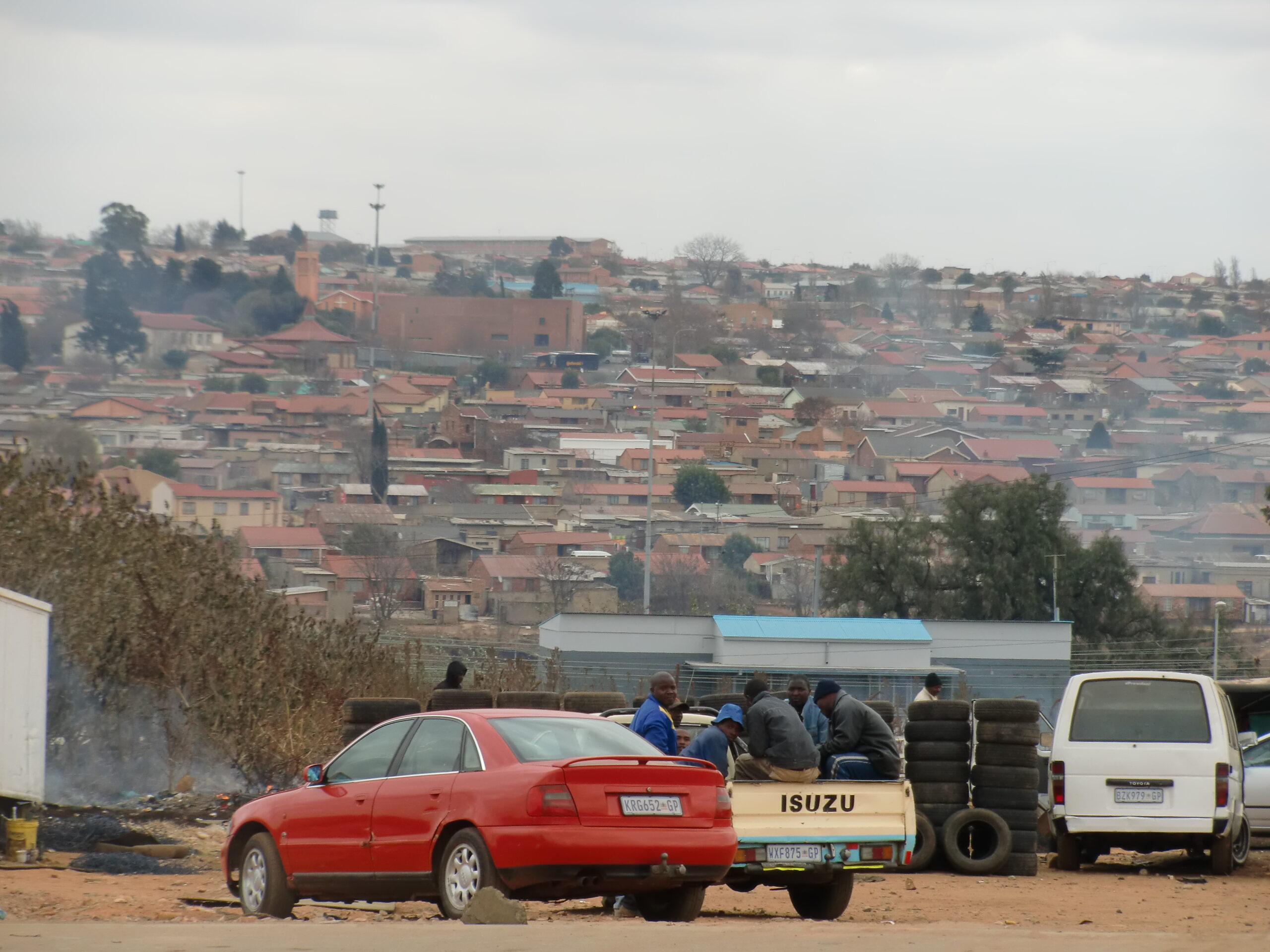
Home to over a million people, it’s a city in its own right.
We stayed with Angie, Dave and their granddaughter in a modest house in Diepkloof.
Angie cooked us chicken, pap and veggies.
She handed us knives and forks but chose to eat hers the traditional way with her fingers. We were a little taken aback.
Pap, a maize porridge, makes a right mess of your hands, sleeves and arms.
Nelson Mandela lived in Soweto, and his old home is now a fascinating museum. Outside, a huge crowd had gathered.
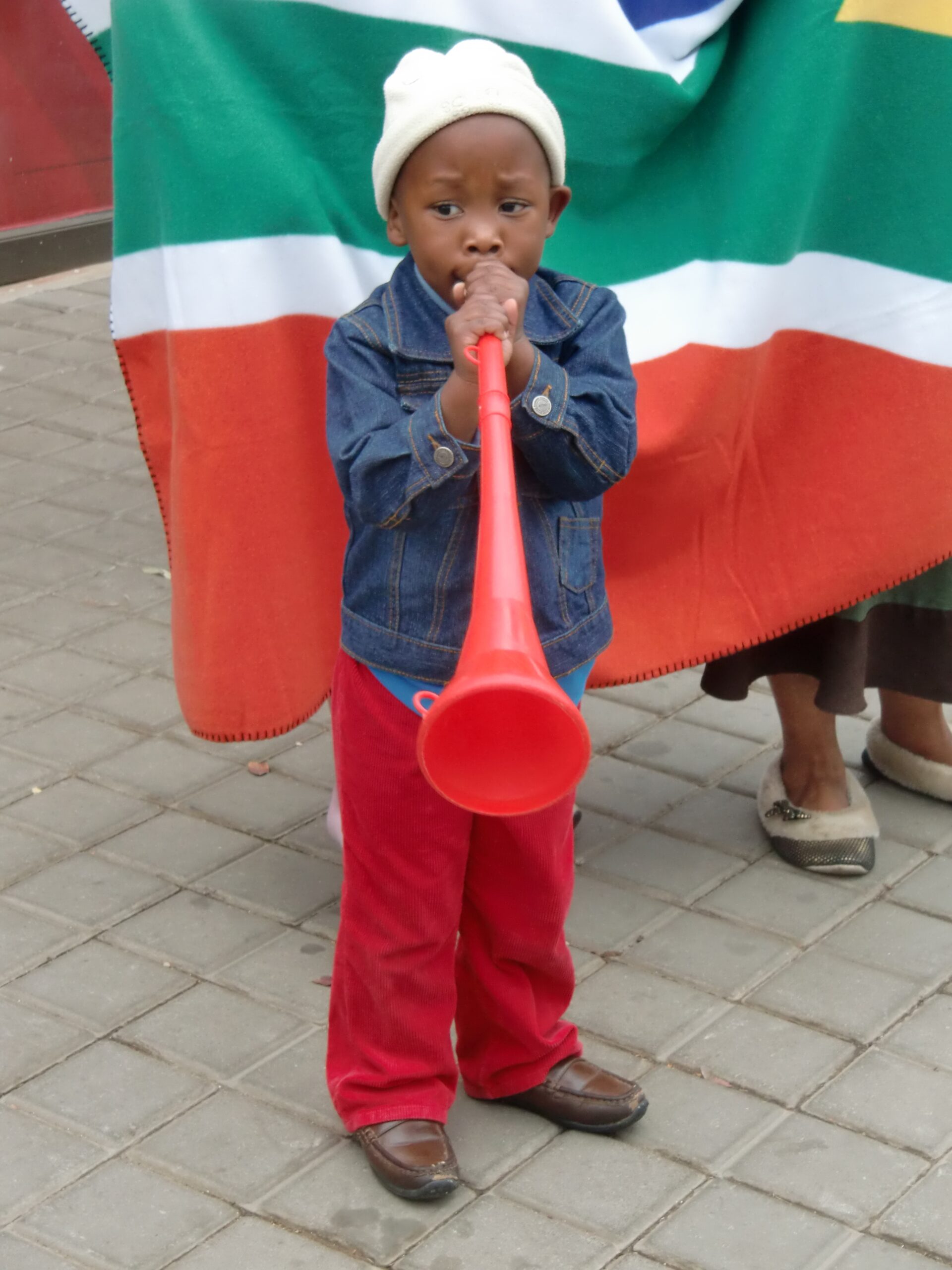
The constant hum of vuvuzelas filled the air.
It soon became clear why: the Ghanaian team were doing a tour of the city. Ghana had been a whisker – or rather, a hand – away from reaching the semi‑finals, carrying the hopes of an entire continent. They were cheated by Luis Suarez’s infamous handball. The crowd went berserk as each player stepped off the coach to wave.
After visiting the moving Hector Pieterson Museum, a memorial to the 13‑year‑old shot dead in the 1976 riots, it was time to scrub up for a night out.
A Night Out in Soweto
We jumped in a car with a couple of locals and they drove us around dimly lit streets that had an edge after dark.
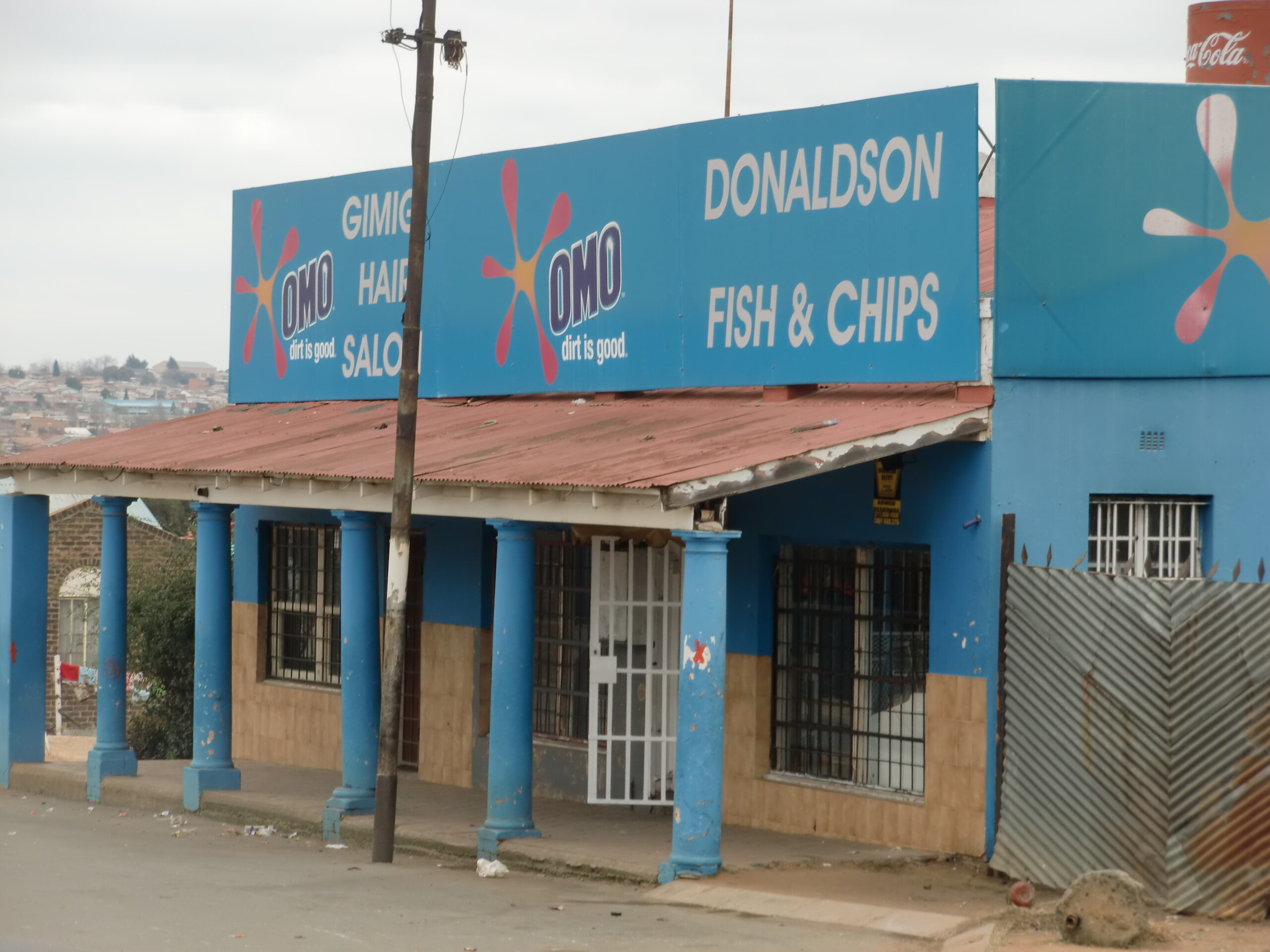
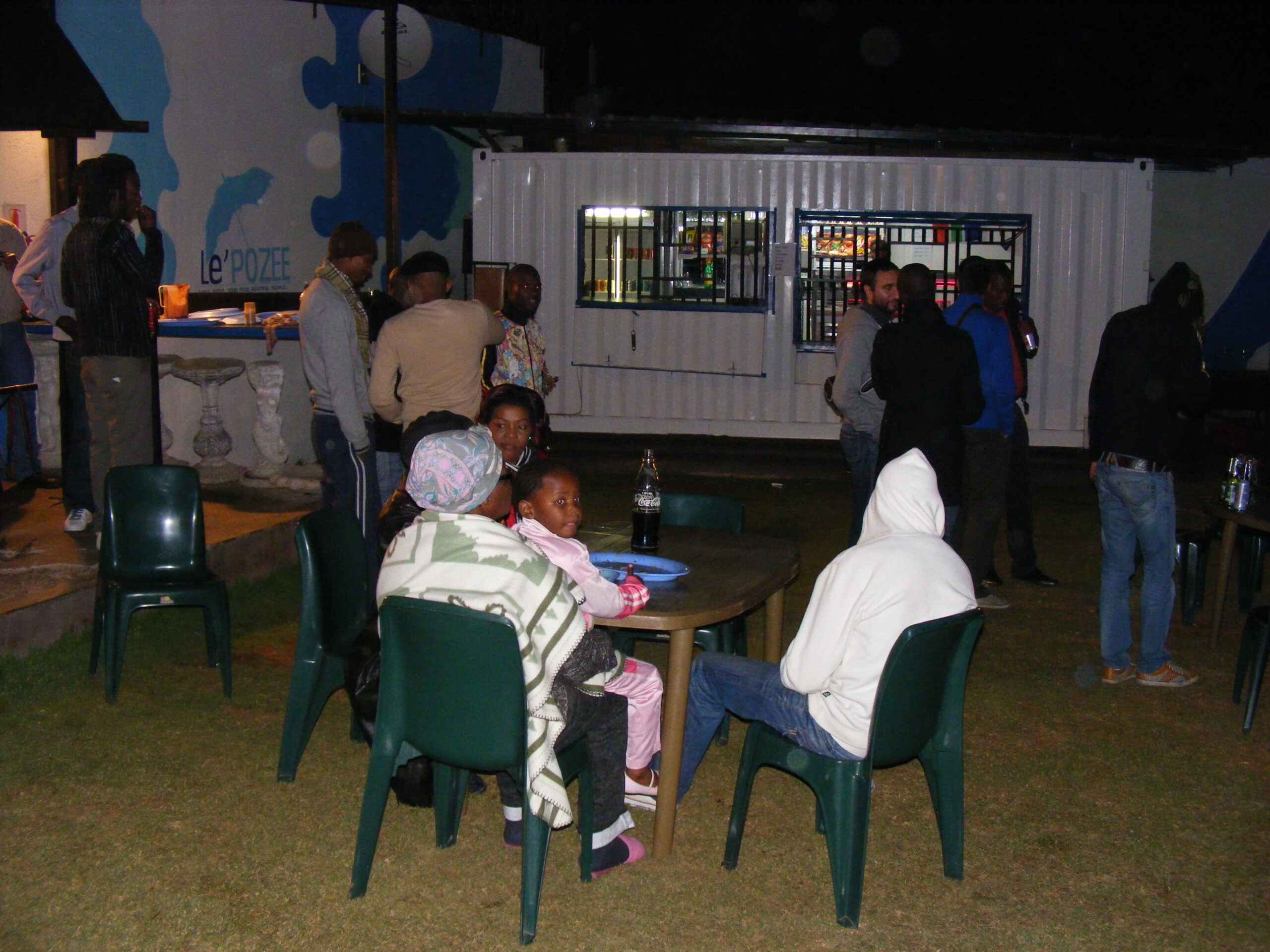
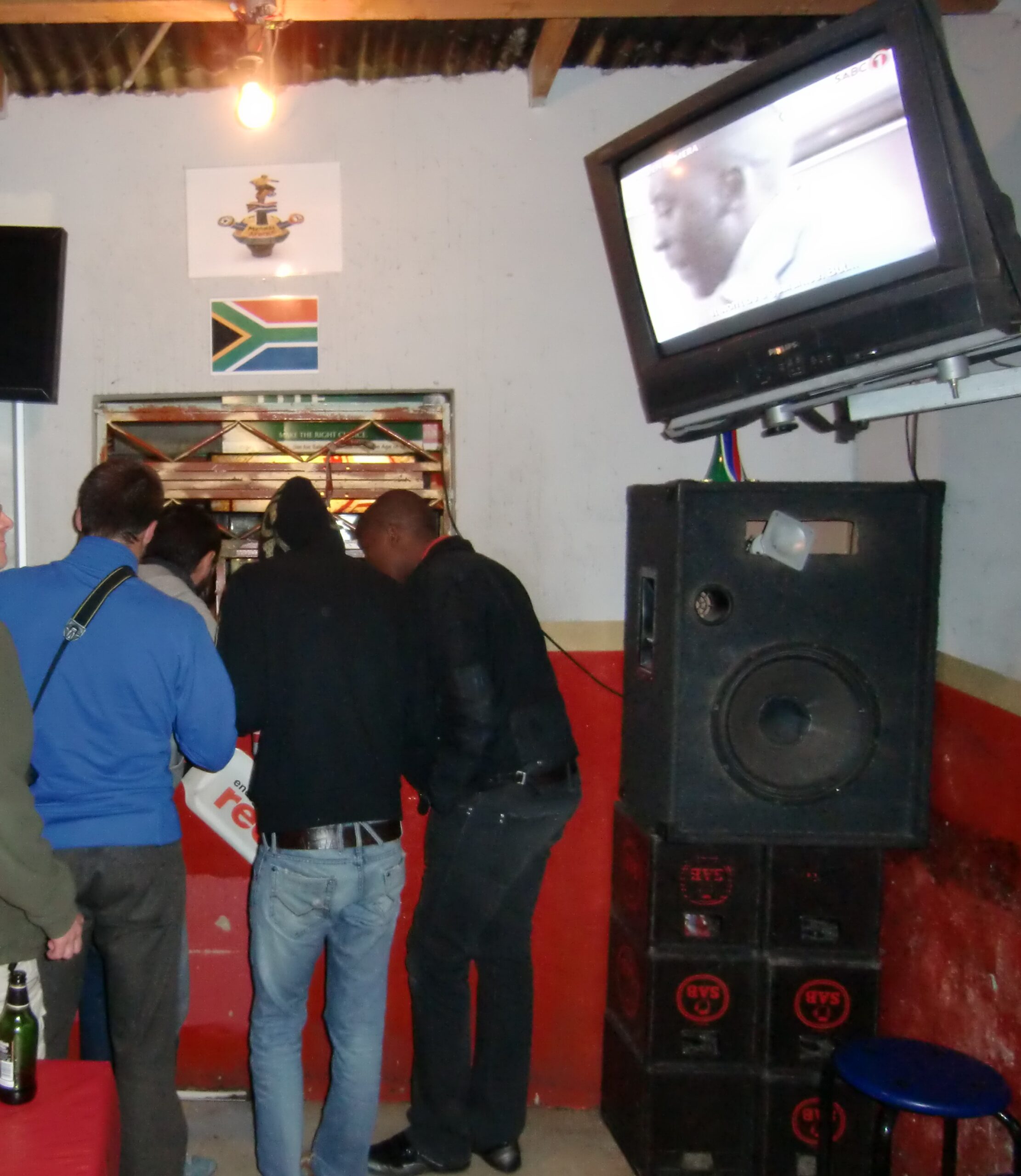
We stopped at a number of run‑down shack bars, called a Shebeen, where locals sat on beer crates smoking weed and looking a bit shifty, but were incredibly friendly and welcoming to the white fellas who had braved Soweto’s reputation.
Football was the hot topic and we were welcomed everywhere. We ended up in a club called The Rock, where we were the only white guys, but again were made to feel like best friends.
KlipTown: A Harsh Reality Check
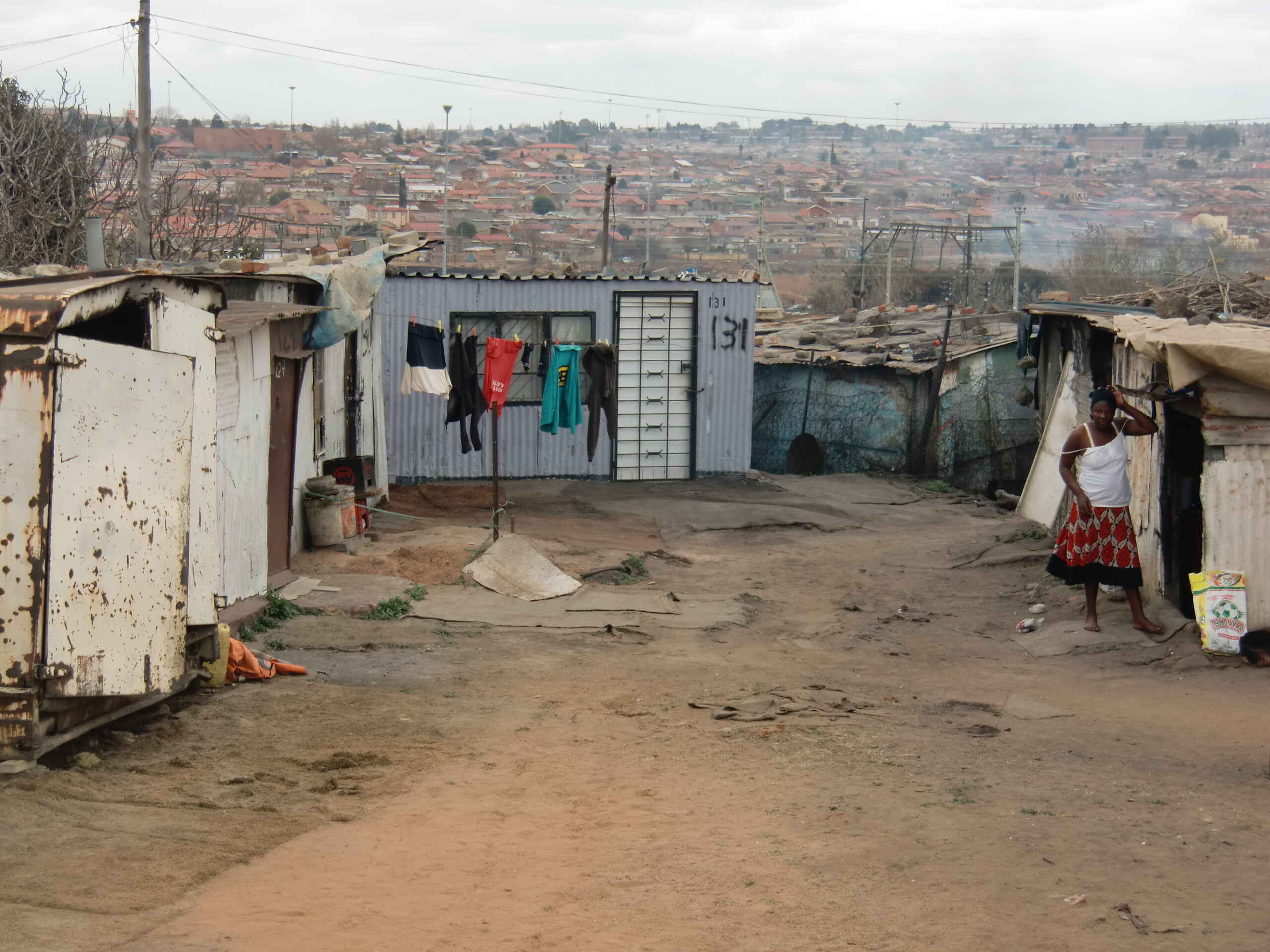
The next day we visited Kliptown, one of Soweto’s poorest neighbourhoods. We stopped at an orphanage run by volunteers. Most of the kids’ parents had died of AIDS. Some were as young as two. It was heartbreaking.
Walking around Kliptown was a punch in the face. Tin huts stacked on tin huts, each housing up to ten people. Dirt tracks, rubbish everywhere, no clean water, no sanitation, no electricity. Women living in fear of rape, families in fear of robbery. Our donation felt like a drop in the ocean.
Later we returned to the white suburbs of Johannesburg, with high walls, security fences, alarms and armed response signs. A reminder of the country’s high crime rate and the prison‑like existence many live in.
It’s a dynamic of society I couldn’t comprehend.
The End of the Road
And then it was over.
England’s early exit a distant memory, we had embraced this part of the world – from the stunning mountains of Lesotho to the friendly locals of Soweto, from the orphans of Kliptown to Bridgette in Bloem.
It all made its mark.
Back home, I only ever watched England twice more. Eight years of disappointment was enough. But the travelling? That part never stopped.