
Digital Nomad Families and the Worldschooling Lifestyle
Worldschooling
With the recent rise in families taking their kids around the world either on a short- or long-term world schooling trip, this article aims to highlight some of the key points of this rising trend.
This article is largely based on opinion. I suggest you do your own further research to come up with your own conclusions.
Estimated Statistics:
- Is it estimated that over 2 million families are currently worldschooling. Data is however scarce as this is not a measure tracked by Governments around the globe.
- Is it estimated there are 5 million homeschooled kids worldwide although this is hard to validate as not all countries track this number, but there are over 3 million homeschooled in the USA alone
- Is it estimated there are 40 million digital nomads globally. In the US alone, this number is around 18 million, a increase from 4 million from 2018.
- These trends are growing year on year on all fronts as more people seek a flexible lifestyle and moving away from institutionalised systems
The Covid impact
Whatever your views of worldwide Government’s responses to Covid-19, it’s clear it impacted almost all of the global population, one way or another.
Many were glued to their screens each day in fear, others saw it as an opportunity to finally get their act together and do something about Government overreach.
Millions took their kids out of school to homeschool, unhappy at the measures being placed on kids in schools, along with other ideological agendas being rolled out.
This brought a monumental explosion in the ‘homeschool’ community around the globe.
Working From Home (WFH) or Remote working suddenly become the norm for many people who then realised they could work from anywhere.
The rise of Digital Nomads
This remote working set-up has allowed many people to become “Digital Nomads” and take their work with them anywhere in the world, not needing to be stuck in one location. All they need is a device and an internet connection.
For those with kids, this then created an opportunity to educate the kids whilst on the road earning an income and so the numbers of families World Schooling has also rocketed.
What is World Schooling?
Interestingly, “Worldschooling” is not a “legal” category in most countries and numbers are not tracked.
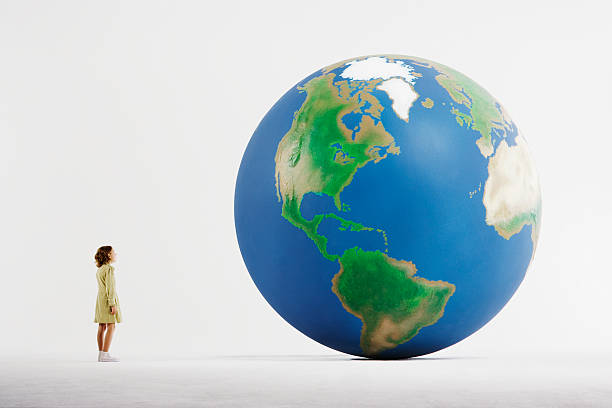
But the general definition of worldschooling is a education from travelling the world and learning from experiences, from interactions with people from different cultures and from the environment they travel through. The world is the classroom.
Many Worldschoolers that we have met have become disillusioned with their native country’s political situation: increases in cost of living, minimal increases in wages, school systems failing their kids. They had enough and want to take control of their own situation and more importantly their children’s upbringing and education,
Worldschooling offers a chance to break free from that structure bringing more freedom into day-to-day life. Freedom to:
- Move around the world freely, experiencing different parts of the globe, giving the children exposure to other cultures, languages, food, climates, ways of life. These experiences are an education in themselves for both parents and children alike
- Connect the family unit. With a 9-5 job often accompanied by a time-consuming commute, parents often only see their children for approx. 40 hours per week while the kids are put into the schooling system so the parents can work in order to pay the ever-increasing bills. It’s a vicious cycle then many feel trapped in. Life on the road brings connection, strengthening the family unit, as more quality time can be spent with the kids. Whilst this can bring challenges being in ‘each other’s hair’ so much, in the long run, the bond created will consolidate relationships
- Allow child-led education so children feel empowered about their learning, becoming engaged in the topics they learn
- Flexibility in working hours and education for the kids. No 9-5. No Monday-Friday. No School Holidays. No timetable. Complete flexibility for the whole family
- Encourage practical, hands-on learning – Let children learn through everyday travel experiences, such as exploring local markets, nature, or cultural activities. These real-world lessons make education engaging and meaningful for the whole family.
So, can anyone do it?
The bottom line is yes; anyone can do anything if they set their mind to it and have the desire.
The transition is much easier if you already have a remote job or career that has the potential to work remotely, assuming you need to work while on the road.
If you don’t have a remote career, then you may need to look at new skills or a career change, of which there are many that offer an online lifestyle.
There are heaps of resources online that can help you get started.
Sometimes you just need to think outside the box.
Conclusion
Worldschooling may not be for everyone, but the chances are you’re reading this article because you’re interested.
Any parent will know that parenting can be a tough gig. It can be very challenging and exhausting.
Many of these challenges do not go away when on the road, but the time you get back from no commuting, hopefully less working hours (subject to which country you live/how much work you have), less cooking (also subject to your budget), is spent in building the relationship with your kids to help ease those challenges.
Worldschooling takes patience and dedication but with a child-led approach you come up against less resistance, and you’ll soon find that a child can learn a real life education much quicker than several hours in a classroom each day.
Read one of our blog posts from our worldschooling adventure here.

About Roaming Wild
Having travelled widely as solo adventurers and as a couple, in 2025 we made a choice to go backpacking with our children and embrace worldschooling as a family.
Our philosophy has always been that life is for living, not for getting trapped on the hamster wheel.
This website brings together our past journeys and our current adventures as a family, with contributions from our kids plus other family members who love backpacking.
Come check out our blogs, guides, podcasts and gallery.


